A still life of books, diagrams, scientific instruments, bubbles, and a skull
Fig. 01 An image model has been to the Rijksmuseum, and now it's taking a trip through a network of the sciences.

Max Noichl

is a philosopher of science.

I study how communities of clever people (and sometimes clever things) find their way to new ideas.

I’m a PhD candidate in the Theoretical Philosophy group at Utrecht University, advised by Dominik Klein and Erik Stei. My research follows three interwoven strands:

Data-driven philosophy. I use large corpora of philosophy and science and machine-learning methods to study how fields are organised, how innovations move between them, and how theories become accepted. Here I have been looking into questions such as how models reorganise science,Note 1 1 “How Localized Are Computational Templates?”, Synthese, 2023 how Continental and analytic philosophy have diverged,Note 2 2 “Modeling the Structure of Recent Philosophy”, Synthese, 2021 and how evolutionary theory has been extended. I also build interactive tools that make it easier for philosophers of science to investigate these large-scale structures, such as OA Atlas.Note 3 3 An interactive map of all the sciences.

Grounding philosophical models. I work on connecting abstract models in epistemology and philosophy of science to the messy social and cultural structures they are meant to represent. Some of this work focuses on extracting realistic social networks from bibliometric data and running agent-based models of scientific progress on them. In more speculative work, I’m trying to use the internal representations of foundation models, as revealed by mechanistic interpretability methods, as a basis for theories about social and cultural space.

Thinking machines. I work on AI systems that might help us make philosophical progress. This involves building autoformalisation pipelines for philosophical reasoning, with the long-term aim of building AI systems that can climb their way towards interesting, novel philosophical insights. I also use large language models to extract patterns of philosophical argumentation and better understand how philosophical reasoning works.

During my PhD, I’ve undertaken research visits at Carnegie Mellon University with Kevin Zollman, Northwestern University with Ágnes Horvát, and the University of Helsinki with Samuli Reijula. I have also taken part in workshops at the Santa Fe Institute, the Complexity Science Hub Vienna, and Schloss Dagstuhl.

Before starting my PhD in Utrecht, I worked with Johannes Marx and Olivier Roy on agent-based models of non-classical game theory, and with Tarja Knuuttila and Andrea Loettgers on scientific model transfer.

With my partner Veronika Szücs, I create art that explores how artificial intelligence enters into human relationships. Our work has been exhibited at CVPR 2026, ICME 2026, and The Wrong Biennale 2025–26, among other places.

I’m responsible for the Mammoth dataset,Note 4 4 It's a 3D scan of a mammoth from the Smithsonian. which you may have come across if you work with dimensionality reduction.

I occasionally consult and teach on bibliometrics, data analysis, network science, visualisation, and AI for social scientists. This has included work with the European University Institute on bibliometrics, SOCIUM Bremen on data visualisation, the Max Planck Institute for Evolutionary Anthropology in Leipzig on natural-language processing, and the Faculty of Social Sciences in Bamberg on AI for social scientists. If you are working on a project like this, please feel free to get in touch!

Recently

News

Talks, workshops, travel, and other signs of life.

I’ll present “Agentic LLMs for Argument Mining in Philosophical Texts”, joint work with Jan Broersen, at LNGAI 2026 in Barcelona. Slides.
Together with Gregor Bös I’m organizing an autumn school on data-driven methods in philosophy. Join us here!
I’ll be at EPSA 2025 in Groningen, with a poster and a symposium organized together with Hein Duijf.
I’ll be attending the advanced graduate workshop in computational social science at the Santa Fe institute.

Selected

Publications

A small selection of papers on models, structure, and collective inquiry.

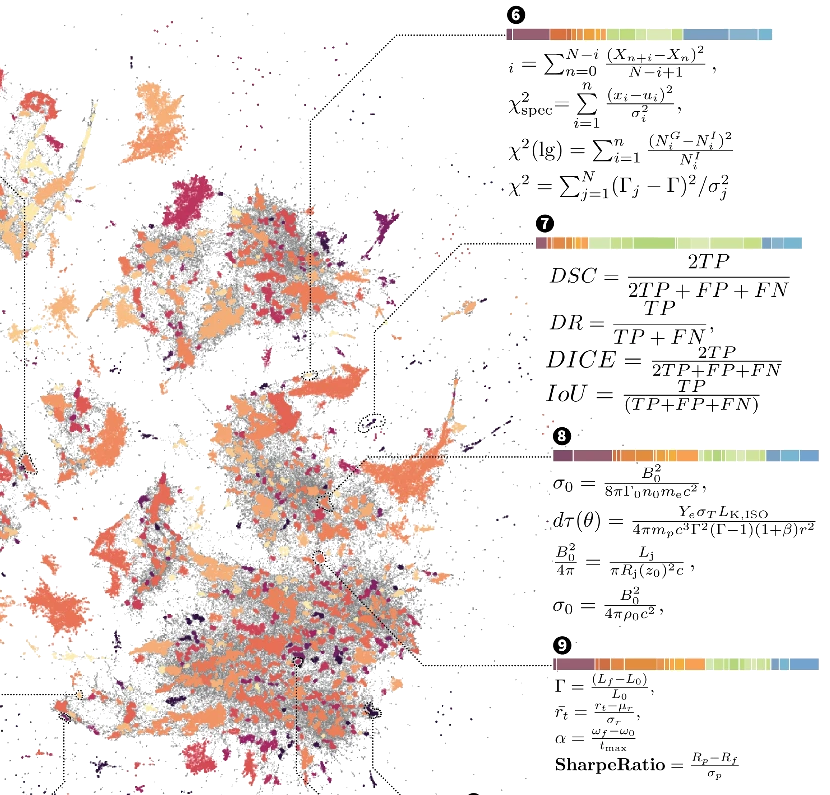
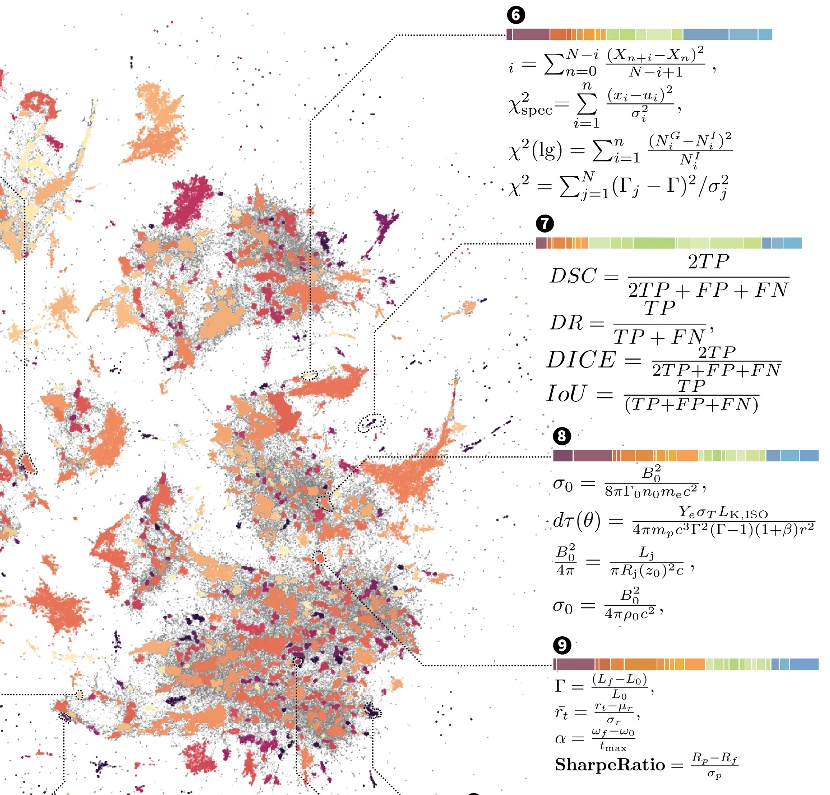
  1. formula_umap.png
    formula_umap.png
    Maximilian Noichl
    Synthese, Mar 2023
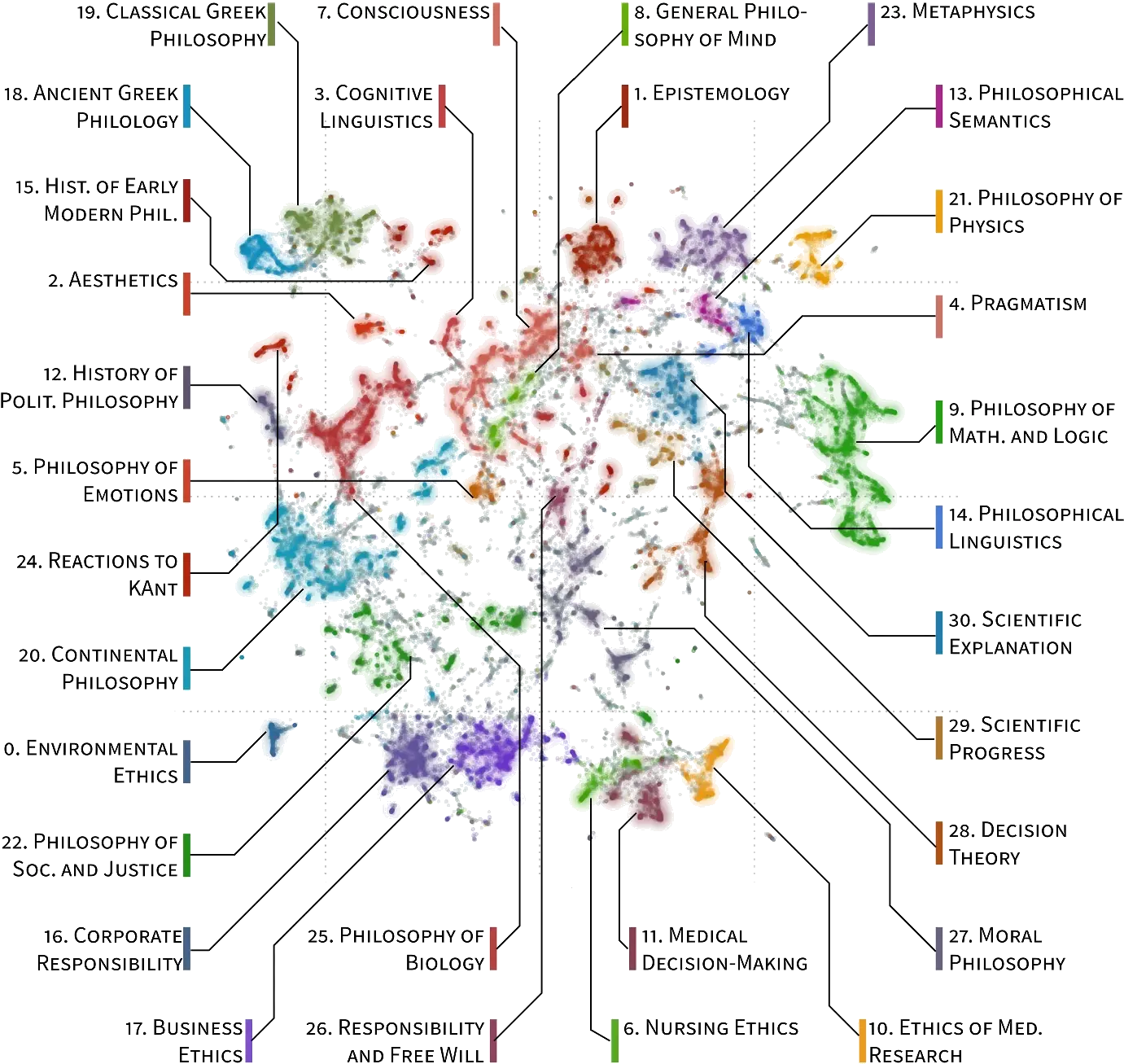
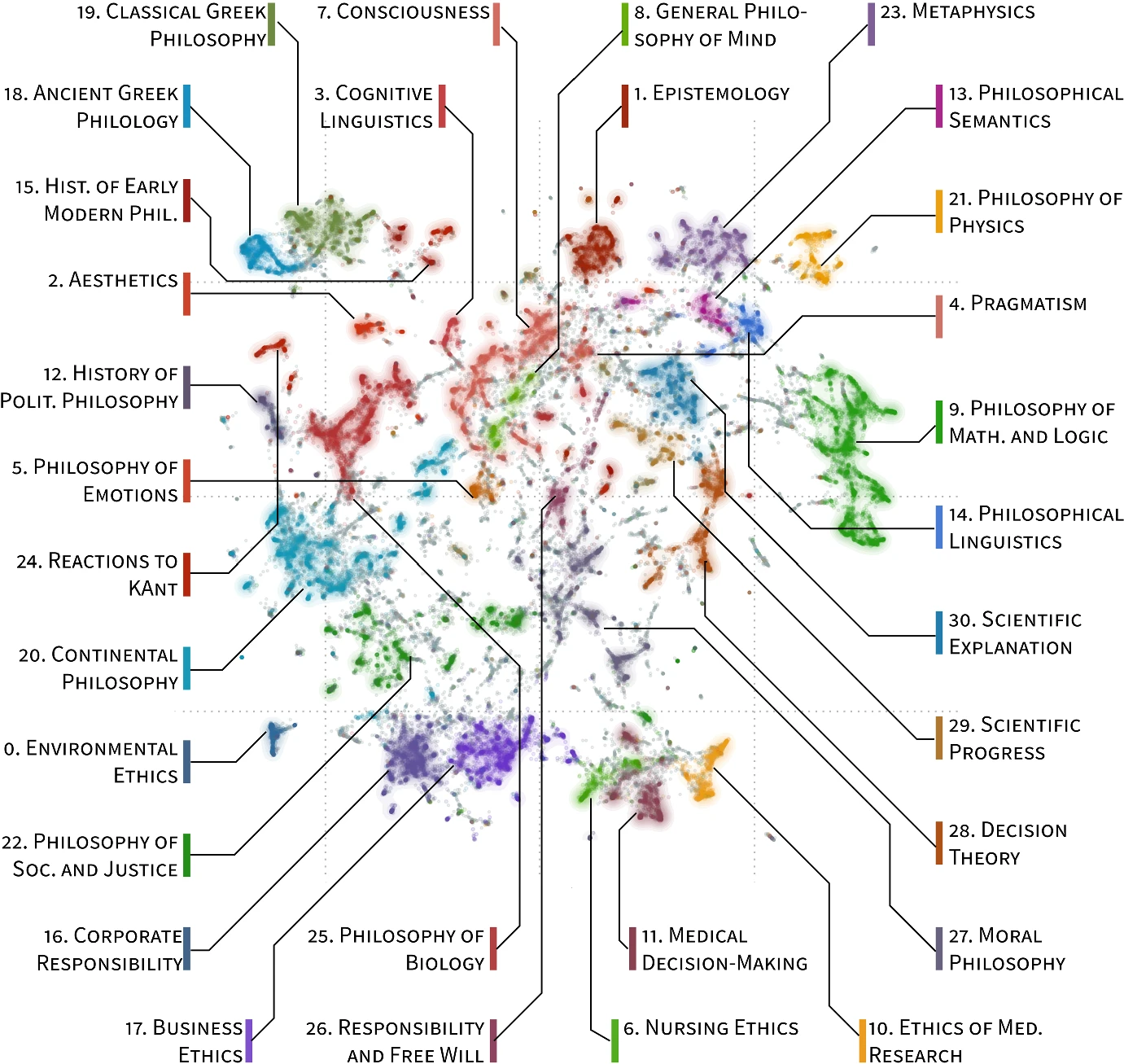
  2. modelling_recent_phil.png
    modelling_recent_phil.png
    Maximilian Noichl
    Synthese, Jun 2021

Elsewhere